
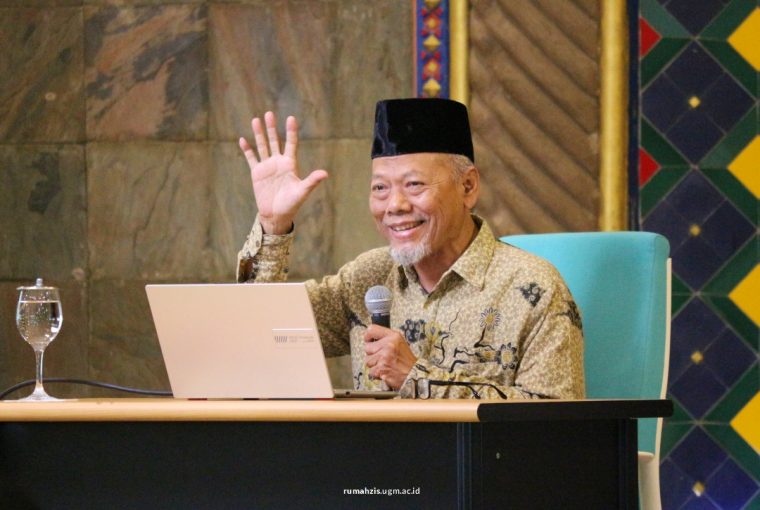
Zakat, one of the pillars of Islam, plays a significant role in purifying and multiplying wealth while serving as a reserve of good deeds for the hereafter. This topic was comprehensively discussed by Prof. Dr. Tulus Mustofa in a lecture titled “Zakat: Cleansing and Nurturing Wealth, and a Reserve of Good Deeds for the Hereafter”, held at the UGM Campus Mosque.
Why Is Zakat Collection Still Low in Indonesia?
Although Indonesia has immense zakat potential, the actual amount collected remains relatively low. Prof. Tulus identified several underlying reasons for this, including:
- Doubts regarding the obligation of zakat.
- A narrow understanding of zakat (limited to zakat fitrah).
- The perception that zakat is only for the wealthy.
- The notion that zakat mechanisms are complicated.
- The need for improved professionalism among zakat institutions.
- Weak faith and awareness about the obligation of zakat.
Understanding the Differences Between Zakat, Infak, and Sadaqah
The lecture also highlighted the distinctions among zakat, infak, and sadaqah. Zakat is a mandatory obligation for those who meet the nisab (minimum threshold) and haul (one-year period). Infak includes zakat as well as other forms of giving, while sadaqah is broader in scope and encompasses acts of kindness beyond material contributions.
The Comprehensive Functions of Zakat
Zakat serves several essential functions, including:
- Worship to Allah SWT.
- Maintaining social and economic balance.
- Supporting economic equity.
- Developing a generous character.
Managing Zakat Wisely
Drawing from the example of Caliph Umar bin Abdul Aziz, zakat managed wisely can have a profound impact, such as providing marriage subsidies for young people.
Q&A Session: Key Issues Around Zakat
The Q&A session addressed several important topics, including:
- Corporate zakat: Companies may also be subject to zakat under certain conditions and should channel it through authorized zakat institutions.
- Zakat distribution: Utilizing official zakat organizations ensures targeted and effective distribution.
- Infak and sadaqah: Their reward remains the same, whether given in one large sum or gradually.
- Identifying trustworthy zakat institutions: These can be recognized through government licensing and oversight.
- Infak for those below the nisab threshold: Starting with infak or sadaqah can serve as practice and a step toward habituation.
Conclusion
This lecture provided in-depth insights into zakat, from its obligations to its benefits. With proper understanding, we are encouraged to fulfill our zakat responsibilities with greater awareness and sincerity.
To watch the full lecture, please see the video titled: “Zakat: Cleansing and Nurturing Wealth, and a Reserve of Good Deeds for the Hereafter.”
Photo and writer: Deski Jayantoro